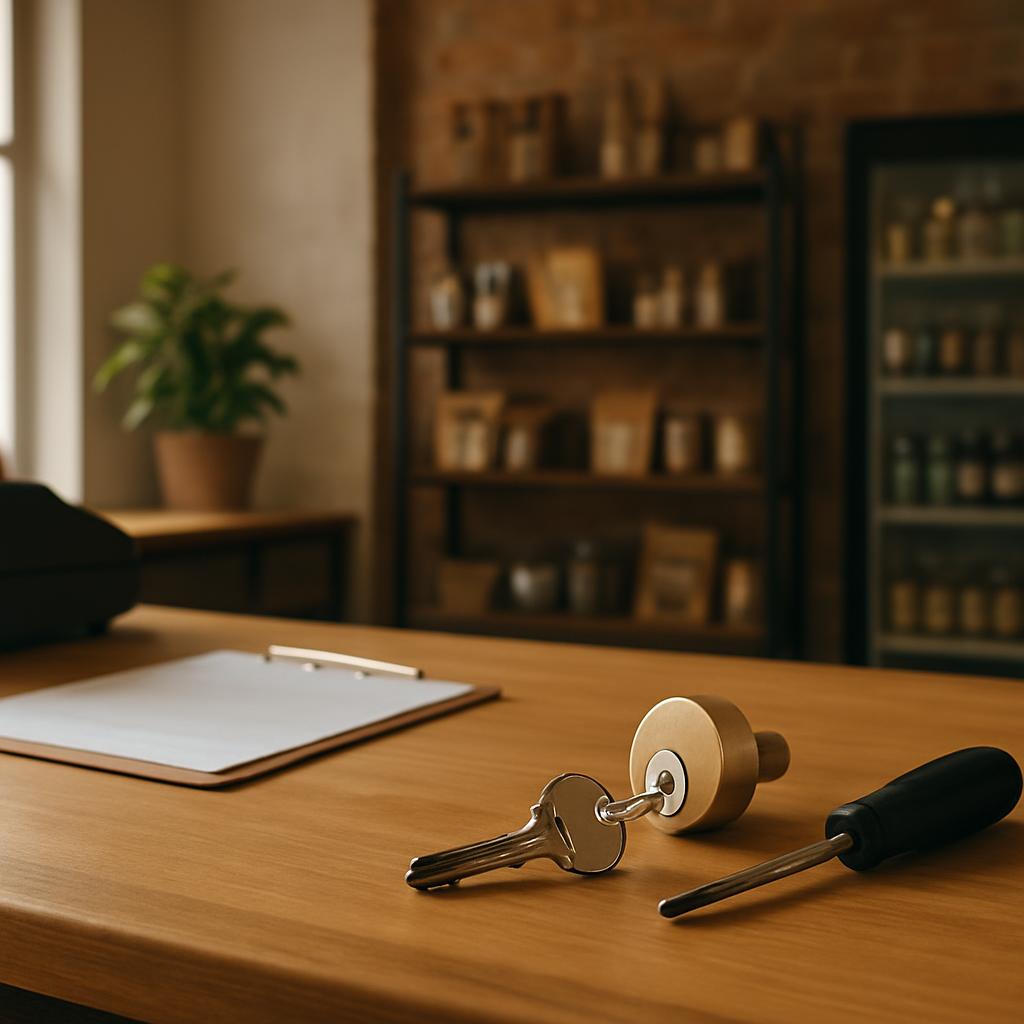
How Winkfield Businesses Use Locksmiths (and You Should Too)
Find Out More →Walk past the business units on the industrial side of Winkfield and you'll notice something: the shops, offices, and small warehouses there treat locksmith work differently than most homeowners do. They don't wait for a crisis. They don't call in a panic at midnight because they've lost keys. They plan ahead, maintain their locks properly, and build a relationship with a trusted locksmith who understands their building and their needs. The result? Far fewer emergencies, lower costs, and genuine peace of mind. There's a lot worth borrowing from that approach, whether you're running a business or just trying to keep your home secure.
Why Businesses Think Ahead About Locksmith Work
Businesses can't afford to ignore security. A broken lock means lost productivity, potential theft, and liability issues. That forces them to be proactive: they schedule regular lock inspections, upgrade worn systems before they fail, and keep detailed records of who has access to what. They treat it like maintenance—the way you'd service a boiler—not like something that only matters when it breaks.
For most homeowners, locksmith work doesn't register until you've locked yourself out on a rainy Tuesday or realized you've lost keys to a side door you never use. By then, you're calling the first number you find and paying premium rates for an emergency call-out. Businesses avoid that trap by scheduling work during normal hours, getting competitive quotes, and building relationships with locksmiths who know their properties inside out.
The practical lesson here is straightforward: if something about your locks feels dodgy—a key that's slightly stiff, a handle that sticks, a door you haven't opened in months—call a locksmith before it becomes an emergency. It costs less, causes less stress, and you'll actually have time to think clearly about what you need rather than panicking in a crisis.
Master Keys and Access Control: What Homeowners Miss
Most businesses use a master key system. Different staff members have different levels of access: the manager has keys to the office and the safe; the cleaner has keys to certain areas but not the back room; delivery drivers can only access the loading area. This layered approach means that if one key goes missing, only that specific area is compromised. The whole system doesn't need rekeying.
At home, people typically have one set of keys that opens everything—front door, back door, garage, shed, garden gate. If you lose that set, you're facing a full rekey or a panicked change of locks. If you have kids, teenagers, or a partner who keeps misplacing keys, the risk multiplies. A locksmith can help you think through a smarter system: perhaps a master key for yourself, separate keys for household members to just the doors they actually need to access, and a secure spare kept somewhere sensible rather than hidden under a pot by the door.
This isn't overkill. It's the same logic businesses use to protect themselves, scaled down to fit a home. It means better security with less chaos when keys go missing—and they will.
Building a Relationship With a Local Locksmith
Every business in Winkfield worth its salt has a locksmith they trust. The relationship isn't transactional—a one-off call when something breaks. Instead, they know the person (or team) they're calling understands their specific building, its quirks, the age of the locks, what's been replaced recently, and what might need attention soon. When a problem crops up, the locksmith knows the history and context. There's no lengthy explanation needed. Trust is already there.
That matters because locksmiths vary wildly in quality and approach. Some rush the job. Some try to upsell you on unnecessary work. Some give you sound advice but aren't local and don't really understand your area's specific issues—older properties in Winkfield, for instance, sometimes have quirky door frames that need particular care. A locksmith who knows the area and knows your home personally is worth far more than the cheapest quote from across the county.
Start building that relationship now, before you need an emergency call. Get a recommendation from a neighbour, call our main site for a straightforward chat, and ask for a routine inspection rather than waiting for a lock to jam. You'll get to know how they work, they'll get to know your home, and when something does go wrong, you'll have someone you can actually trust on speed dial.
Practical Takeaways for Your Home
So what can you actually do, starting this week? First, do a proper audit of your locks. Walk around your home—front door, back door, garage, garden gate, shed if you have one—and think about which ones actually matter for security and which ones you never use. Write it down. Then call a locksmith and ask them to do a free inspection. They'll spot things you won't: a lock that's wearing out, a door that's easier to force than you'd think, or an entry point you've never considered.
Second, sort out your spare keys. Don't hide them outside. Either give them to a trusted neighbour or family member, or invest in a secure box. And consider getting copies made of your main keys so a family member or trusted friend actually has them—not a hidden spare that only you know about, which defeats the purpose.
Third, think about upgrading your front door lock if it's original to an older house. It doesn't need to be fancy, but a decent modern lock is cheaper to replace when (not if) it wears out, and it actually keeps your home secure rather than just looking the part.
These aren't revolutionary ideas. But they're the things businesses do as a matter of course, and they work. If you're in Winkfield and ready to stop treating locksmith work like an emergency waiting to happen, call Locksmith Winkfield for a genuine conversation about what your home actually needs. No pressure, no upsell—just sound advice from someone local.
Looking for Locksmith near Winkfield?
We have secure, flexible units available in the area. Get in touch with Locksmith Winkfield today.
Find Out More →